Is Microcement Flooring Better
Modern homeowners are looking for flooring that combines style, durability, easy maintenance, and practical performance. Traditional tiles have been a popular choice for decades, but microcement flooring has become increasingly attractive for contemporary and minimalist interiors.
So, is microcement flooring better than tiles for modern homes? The answer depends on your design preferences, budget, maintenance expectations, and the type of space you are renovating. However, for homeowners who want a seamless and modern appearance, microcement can offer several advantages over conventional tiled surfaces.
What Is Microcement Flooring?
Microcement is a decorative cement-based coating that can be applied in thin layers over suitable prepared surfaces. It creates a smooth, continuous finish without the visible grout lines commonly associated with tiles.
It can be customized in different colors, textures, and finishes, making it suitable for modern residential and commercial interiors.
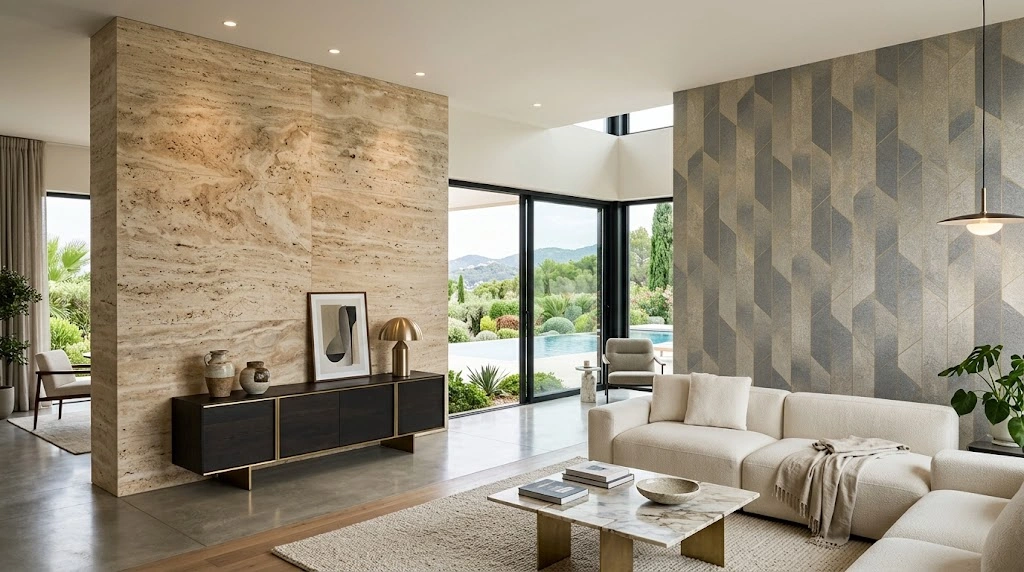
Because of its seamless appearance, microcement is particularly popular in minimalist, industrial, contemporary, and luxury interior designs.
Microcement Flooring vs. Tiles: Which Is Better?
Both materials have their advantages. Tiles are widely available and come in countless designs, while microcement offers a more continuous and sophisticated appearance.
Here are some important differences to consider.
1. Modern and Seamless Appearance
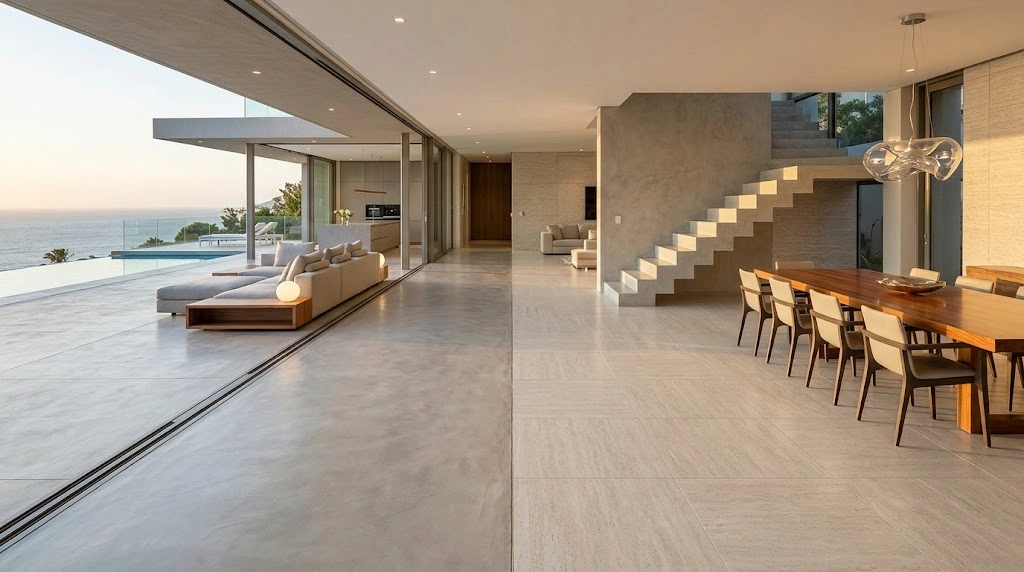
One of the biggest advantages of microcement is its seamless finish. Unlike tiled flooring, there are no traditional grout lines breaking up the visual flow of the floor.
This can make rooms appear cleaner, more spacious, and more contemporary.
Tiles can also create beautiful interiors, but grout joints are naturally visible. For homeowners seeking a minimalist aesthetic, microcement can provide a more unified appearance.
2. Easy Maintenance
Microcement flooring can be relatively easy to clean when properly installed and sealed. The absence of numerous grout joints can make routine cleaning more convenient.
Tile floors can also be easy to maintain, but grout lines may collect dirt and require additional cleaning over time.
For busy households, the simple appearance and maintenance requirements of a properly finished microcement surface can be an appealing advantage.
3. Design Flexibility
Tiles are available in a huge range of patterns, colors, sizes, and finishes. Microcement, however, offers a different type of design flexibility.
It can be finished in different shades and textures to complement modern interiors. This makes it suitable for homeowners who want a customized flooring appearance rather than a repeating tile pattern.
Microcement can work particularly well with neutral interiors, modern furniture, natural materials, and minimalist architectural designs.
4. Seamless Flooring for Multiple Areas
Another advantage is the ability to create visual continuity between different areas.
Depending on the surface and installation requirements, microcement can be used for floors and other compatible surfaces, helping create a consistent design throughout an interior.
It can be considered for living rooms, hallways, kitchens, bathrooms, bedrooms, offices, and other suitable spaces.
5. Can Microcement Be Applied Over Existing Tiles?
In suitable conditions, microcement can be installed over existing tiles after proper surface preparation. However, the existing surface must be assessed carefully.
Loose or damaged tiles, movement, moisture problems, uneven areas, and unsuitable substrates may need to be addressed before application.
Professional preparation is therefore extremely important. Simply applying microcement over an unsuitable surface can affect the final result and long-term performance.
Is Microcement Flooring Waterproof?
Microcement itself should not automatically be described as completely waterproof in every application. Its water resistance depends on the complete system, including substrate preparation, application, detailing, and the protective sealer used.
When professionally installed with an appropriate waterproofing and sealing system, microcement can be suitable for areas exposed to moisture, including bathrooms and kitchens.
For wet areas, professional assessment and installation are especially important.
Is Microcement More Durable Than Tiles?
Both microcement and tiles can provide long-lasting flooring when correctly installed and maintained.
Tiles are generally known for their hardness and durability, while microcement provides a continuous surface that can be renewed or repaired depending on the nature of the damage.
The actual lifespan of either flooring system depends on installation quality, substrate condition, traffic, maintenance, moisture exposure, and product specifications.
This is why choosing an experienced flooring contractor is just as important as choosing the flooring material itself.
Microcement Flooring for Modern Kitchens
Modern kitchens often benefit from clean, uninterrupted surfaces.
Microcement can complement contemporary kitchen cabinets, stone countertops, wood finishes, and minimalist furniture. Its seamless appearance can help create a cohesive visual style.
However, kitchen flooring still needs proper preparation and sealing because the surface may encounter water, food spills, stains, and heavy foot traffic.
Microcement Flooring for Bathrooms
Microcement can also be an attractive option for modern bathrooms.
Its seamless appearance can reduce the visual interruption created by multiple tile joints. It can be used as part of a properly designed bathroom surface system, provided that waterproofing, drainage, corners, joints, and sealing are handled correctly.
For bathrooms, professional installation is particularly important because water-related problems can originate beneath the finished surface.
What About Tiles?
Tiles remain an excellent flooring option for many homes. They offer a huge variety of styles and are familiar to most contractors and homeowners.
Porcelain and ceramic tiles can provide durable surfaces for kitchens, bathrooms, hallways, and living areas. Replacement of individual damaged tiles can also be relatively straightforward in some situations.
Therefore, microcement is not automatically better than tiles for every homeowner. The best choice depends on your property’s requirements and the look you want to achieve.
When Should You Choose Microcement?
Microcement may be a strong option if you:
- Prefer a seamless modern appearance.
- Want a minimalist or contemporary interior.
- Want fewer visible grout lines.
- Are renovating an existing space.
- Want a customizable surface finish.
- Prefer visual continuity between different areas.
- Are looking for a modern alternative to conventional tiled flooring.
If your priority is an extensive selection of tile patterns, traditional installation, or the ability to replace individual tiles easily, conventional tiles may be more suitable.
Finding Microcement Flooring Services Near Me
If you search online for “Microcement Flooring Services near me,” don’t choose a contractor based only on price. Ask about previous projects, surface preparation, product specifications, sealing systems, installation experience, and warranty coverage.
For homeowners in Karachi, Tradex International provides professional flooring solutions designed for modern residential and commercial spaces.
Frequently Asked Questions
1. Is microcement flooring better than tiles?
Microcement can be better for homeowners who prioritize a seamless, minimalist, and contemporary appearance. Tiles may be preferable for those who want traditional tiled designs and a very wide selection of patterns and sizes.
2. Is microcement flooring suitable for modern homes?
Yes. Its seamless appearance and customizable finishes make it particularly suitable for contemporary, minimalist, industrial, and luxury interiors.
3. Can microcement be installed over tiles?
It can be possible when the existing tiled surface is structurally sound and properly prepared. A professional should inspect the surface before installation.
4. Is microcement easy to clean?
A properly sealed microcement surface can be relatively easy to maintain. Its lack of conventional grout lines can also simplify routine cleaning.
5. Can microcement be used in bathrooms?
Yes, microcement can be used in bathrooms as part of a properly designed and sealed system. Waterproofing and professional detailing are essential.
6. How long does microcement flooring last?
Its service life depends on installation quality, substrate preparation, traffic, maintenance, moisture exposure, and the specific system used. Professional installation and proper maintenance can contribute significantly to long-term performance.
7. How do I find Microcement Flooring Services near me?
Search for Microcement Flooring Services near me and compare contractors based on experience, completed projects, preparation methods, warranties, and customer reviews rather than price alone.
8. Does Tradex International offer a warranty?
Tradex International provides a 15-Year Warranty as part of its flooring service offering. Discuss the specific warranty terms and project requirements with the company before installation.
Contact Tradex International
Find Us: 2nd Floor, Plot 30, Eve, Saba Ave, DHA Phase 5, Karachi, 75500
Phone: +92 300 0069686
Email: info@tradexinternational.com.pk
Warranty: 15 Years