What Makes Microcement Flooring
When choosing the right flooring for a home, office, restaurant, showroom, or commercial space, traditional tiles are often the first option people consider. However, microcement flooring has become increasingly popular because it offers a seamless, contemporary appearance with fewer visible joints and a highly customizable finish.
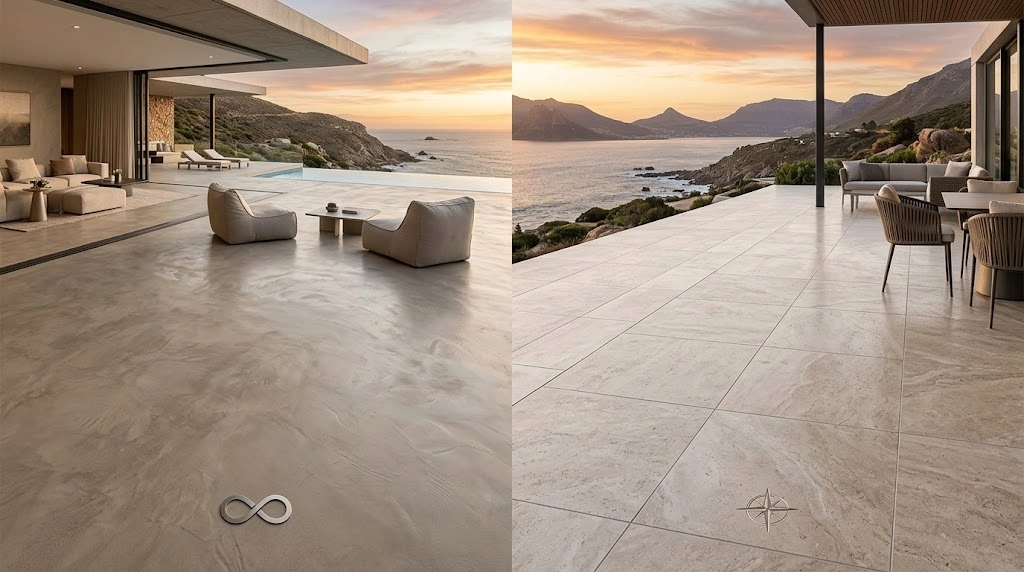
So, what makes microcement flooring different from tiles? The biggest differences include appearance, installation, maintenance, thickness, design flexibility, and the overall character of the finished surface.
What Is Microcement Flooring?
Microcement is a thin decorative cement-based coating that can be applied to suitable floors and other surfaces. Unlike conventional tiles, which are individual pieces installed with grout joints, microcement creates a continuous surface.
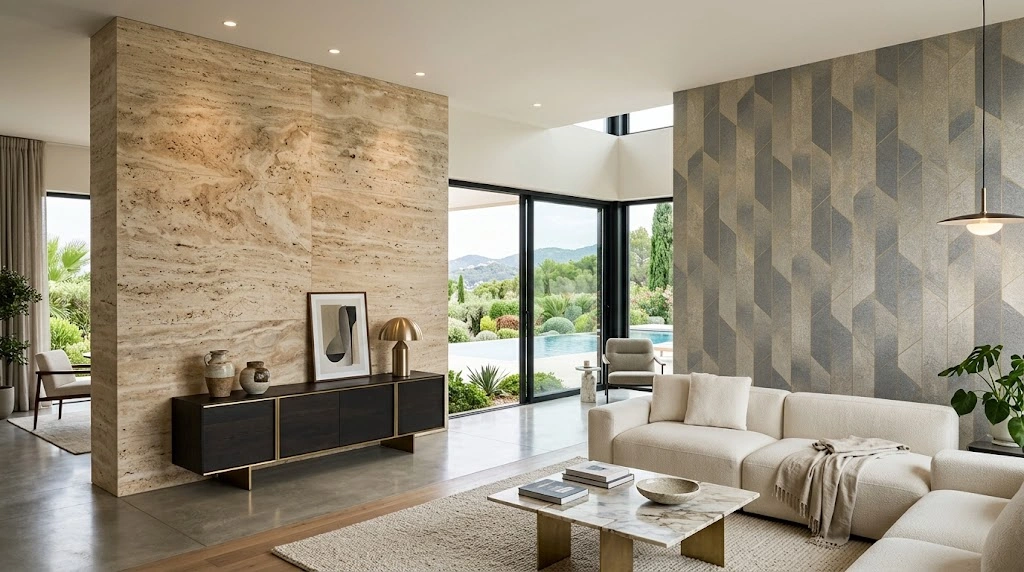
This seamless appearance makes microcement flooring particularly suitable for modern and minimalist interiors. It can be customized in different colors, textures, and finishes to complement residential and commercial designs.
Microcement Flooring vs Tiles: What’s the Difference?
1. Seamless Appearance
One of the most noticeable differences between microcement and tiles is the absence of traditional grout lines.
Tiles are installed individually, creating visible joints throughout the floor. Microcement, on the other hand, can create a continuous visual surface.
This makes it an attractive choice for:
- Modern homes
- Luxury apartments
- Bathrooms
- Kitchens
- Offices
- Restaurants
- Retail stores
- Showrooms
If you prefer a clean and minimalist aesthetic, microcement flooring can provide a distinctive contemporary look.
2. Design Flexibility
Tiles are available in many designs, but you generally have to choose from manufactured sizes, patterns, and finishes.
Microcement offers greater flexibility because its color and finish can be selected according to the desired interior style. Depending on the application system, you can achieve subtle concrete-inspired appearances, smooth decorative finishes, or textured effects.
This makes microcement useful for homeowners looking for modern flooring solutions that complement their existing interiors.
3. Installation Over Existing Surfaces
Another important difference is the renovation process.
In suitable conditions, microcement can be installed over an existing floor, including properly prepared tiles. This can reduce the need for completely removing the old flooring.
However, professional preparation is essential. Existing tiles must be stable, properly cleaned, levelled where necessary, and prepared according to the microcement system being used.
This is one reason professional Microcement Flooring Services near me can be valuable when planning a renovation.
4. Thickness
Traditional tiles have a considerably greater physical profile than a thin microcement coating system. Microcement is applied in multiple thin layers, making it useful for renovation projects where maintaining existing floor levels is important.
The exact thickness depends on the selected system and installation requirements.
5. Maintenance and Cleaning
Both tiles and microcement require proper care, but their surfaces are different.
Tiles have grout joints that can collect dirt and require additional cleaning. Microcement provides a continuous surface with fewer joints, which can make routine cleaning more straightforward.
Regular sweeping, dust removal, and appropriate cleaning products can help maintain the appearance of a microcement floor.
6. Water Resistance
Professionally installed and correctly sealed microcement can be suitable for areas exposed to moisture, such as bathrooms and kitchens.
However, microcement itself should not simply be described as automatically waterproof. The complete system—including substrate preparation, application, sealing, and detailing—plays an important role in moisture performance.
For wet areas, professional installation is especially important.
Is Microcement Flooring More Durable Than Tiles?
Durability depends on several factors, including the quality of the materials, substrate preparation, installation technique, sealing system, traffic levels, and maintenance.
High-quality microcement flooring can provide a durable decorative surface for residential and commercial environments when professionally installed and maintained.
Tiles can also be highly durable. Therefore, the choice should not be based on durability alone. The property’s requirements, desired appearance, installation conditions, and maintenance expectations should all be considered.
Why Choose Microcement Instead of Traditional Tiles?
Microcement may be a suitable alternative to tiles if you want:
- A seamless appearance
- A modern minimalist finish
- Greater design flexibility
- Fewer visible joints
- A thin renovation-friendly flooring system
- A contemporary concrete-inspired aesthetic
- A floor that can coordinate with walls and other surfaces
Traditional tiles may still be preferable when you specifically want tile patterns, individual replacement options, or a particular tile material and design.
The best choice depends on your project rather than one flooring type being universally better.
Microcement Flooring Services Near Me
If you are searching online for Microcement Flooring Services near me, choosing an experienced professional is important.
A quality microcement project involves more than simply applying material to the floor. The installer needs to evaluate the existing substrate, address imperfections, apply the appropriate layers, and complete the recommended protective sealing system.
For customers in Karachi, Tradex International provides microcement flooring solutions for residential and commercial projects.
The company can help with project consultation, surface assessment, material selection, and professional installation based on the requirements of the space.
Where Can Microcement Flooring Be Used?
Microcement is versatile and can be considered for many interior applications, including:
Homes
It can create a modern appearance in living rooms, bedrooms, kitchens, hallways, and other areas.
Bathrooms
With the correct preparation and sealing system, microcement can provide a visually continuous finish for bathroom floors and walls.
Kitchens
Its seamless appearance can complement contemporary kitchen designs.
Offices
Microcement can create a professional, modern appearance in office interiors.
Restaurants and Showrooms
Businesses looking for distinctive interior finishes can use microcement to create a contemporary environment.
Frequently Asked Questions
1. What is the main difference between microcement and tiles?
The primary difference is that tiles are individual pieces installed with joints, while microcement is applied as a continuous decorative coating system.
2. Is microcement flooring better than tiles?
Neither is automatically better for every project. Microcement is particularly attractive for people who want a seamless, modern, customizable appearance, while tiles offer a huge variety of established materials, patterns, and designs.
3. Can microcement be applied over existing tiles?
Yes, microcement can be applied over suitable existing tiles when the substrate is stable and properly prepared. A professional assessment is recommended before installation.
4. Is microcement flooring waterproof?
A correctly installed and sealed microcement system can provide good resistance to water and moisture. However, waterproofing depends on the complete installation system and proper detailing, especially in wet areas.
5. Is microcement easy to clean?
Its seamless nature means there are fewer joints where dirt can accumulate. Regular cleaning with suitable products can help maintain the surface.
6. How long does microcement flooring last?
The lifespan depends on installation quality, substrate conditions, traffic, maintenance, and the protective coating. Professional installation and proper maintenance can help maximize its service life.
7. Does Tradex International provide a warranty?
Tradex International offers a 15-Year Warranty for its applicable microcement flooring services. Customers should confirm the specific warranty terms and coverage for their project.
Contact Tradex International
Find Us: 2nd Floor, Plot 30, Eve, Saba Ave, DHA Phase 5, Karachi, 75500
Phone: +92 300 0069686
Email: info@tradexinternational.com.pk
Warranty: 15 Years